
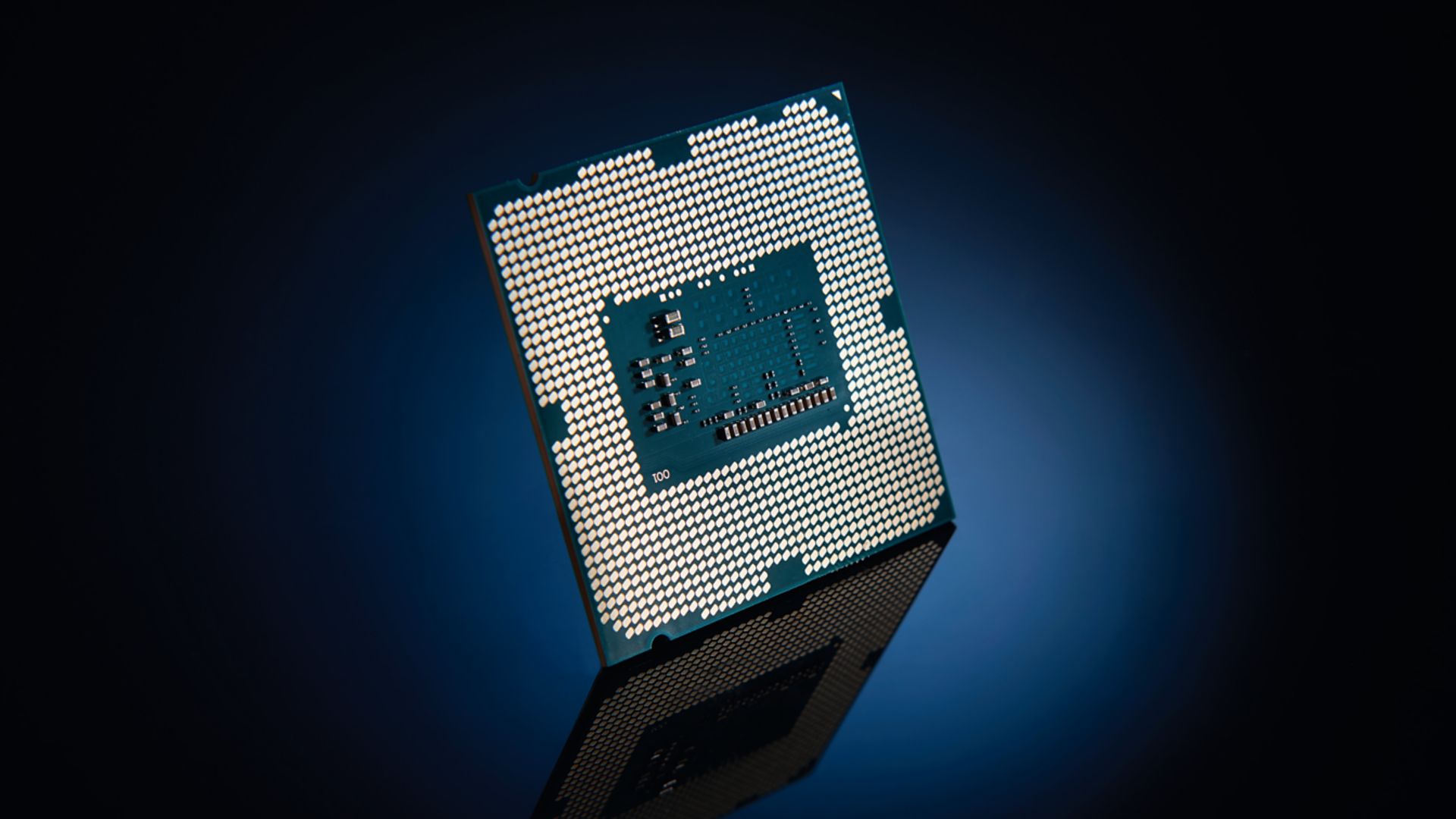
- Mercury Research says Intel gained overall x86 unit share in Q3 2026 for the first time since Q2 2025, reaching 69.9%
- The gain came almost entirely from desktops (Intel up about five points to 70.1%), while AMD set records in the mobile (29.2%) and server (35.5%) segments
- Both firms, however, have guided client revenue down more than 20% in Q4 as memory prices squeeze PCs, and AMD’s Q4 revenue guide sits entirely above Intel’s
Intel has clawed back overall x86 CPU market share from AMD for the first time since the second quarter of 2025, according to new Mercury Research figures, but the gain rests on a single segment, a single quarter, and a PC market that both companies now expect to shrink sharply.
Intel’s share of x86 processor unit shipments, excluding embedded and semi-custom chips, rose to 69.9% in Q3 2026, while AMD’s slipped to 30.1%, according to Tom’s Hardware.
The move is small but interesting: AMD’s sequential decline was stated at 0.6 percentage points, but once IoT and semi-custom SoCs are counted, Intel’s lead grew by just 0.2 points to 66.1%, according to HotHardware, even as Intel remains 4.5% down overall on a yearly basis from a 74.5% share of the market.
One segment did all the lifting
The gains come from the desktop segment, where Intel’s share jumped roughly five points in three months to 70.1%, pulling AMD down from 34.9% to 29.9%. That reverses the previous quarter, when AMD took share from Intel in nearly every category Mercury tracks, even as desktop volumes fell by more than a fifth year on year.
Everywhere else, however, AMD has kept climbing. Its mobile share reached a record 29.2%, up from 28.9%, and its server share hit a record 35.5%, up a full point. Narrowing the server comparison to EPYC against Intel’s Xeon SP line, AMD’s unit share reaches an impressive 46.8%. Despite this, the desktop slide was still large enough to drag AMD’s combined client share from a record 30.3% to 29.3%, its first client share decline since 2022.
An easy, but somewhat limited read is that many buyers abandoned AMD’s Ryzen offerings. The volume data points to something more mundane: Jon Peddie Research estimates worldwide client CPU shipments fell to 60.8 million units in Q3, down 3.4% sequentially and 6.5% year on year, Guru3D noted, and Mercury’s Dean McCarron said the decline was “entirely due to a downturn in mobile CPUs.”
The desktop, in other words, grew: JPR counted 14 million desktop CPUs in Q2, putting Q3 desktop shipments 13% below the 19.2 million it recorded a year earlier. That implies roughly 16.7 million desktop CPUs in Q3; a sequential rise of nearly a fifth was in order.
Mercury’s shares and JPR’s volumes use different definitions, so treat any calculations as rough estimates, but combined they suggest Intel’s desktop shipments rose by more than a quarter while AMD’s were roughly flat. AMD did not lose the desktop so much as miss its seasonal lift, a reading Mercury itself supports when it says AMD “did not appear to have a seasonal increase,” as per tbreak.
That desktop surge sits inside a much weaker year for Intel overall. Its quarterly filing shows client volumes down 14% year on year even as average selling prices rose 9%, as Xenospectrum details. That is more than double JPR’s market-wide decline, and it is why Intel’s client share remains almost four points below where it stood in Q3 2025.
Desktop demand expected to continue weakening
Mercury is candid that it is guessing: McCarron told HotHardware, “it’s difficult to know the driver of this for sure,” but speculated that weak mobile demand freed Intel to redirect product into the desktop’s usual third-quarter lift, a market Intel had been under-supplying earlier in 2026. If that is right, a meaningful slice of Intel’s gain comes from recovering from its earlier supply shortfall rather than customers switching camps.
AMD’s mix did it no favors either: Its heavier exposure to gaming desktops and the DIY channel left it more vulnerable as builders contended with shortages of Nvidia’s RTX 5000 GPUs and RAM costs that have pushed PC prices sharply higher. Jon Peddie described the DIY channel as weak, and McCarron hinted that some Q3 demand had been pulled into an unexpectedly strong Q2.
The gist of the matter is that whatever Intel won on the desktop, the prize is getting smaller. Intel expects client revenue to fall by more than 20% sequentially in Q4, and AMD guides its combined Client and Gaming segment down by more than 20% as well, according to AMD’s earnings call. Some of that is the usual seasonal slide, but not all of it can be explained away the same way.
Intel now expects PC units to fall about 12% in 2026 and another 10% in 2027, The Next Web reports, with CEO Lip-Bu Tan telling investors that customers had begun “signaling a PC slowdown based on memory prices and availability,” per The Register. AMD’s Lisa Su said the company is planning for a double-digit decline in PC units next year, and Peddie expects conditions to “remain difficult into the first half of 2027.” Analysts at Omdia warned of exactly this kind of memory-driven downturn at the start of the year.
One more number puts the desktop result in perspective: AMD has guided Q4 revenue to around $17 billion, plus or minus 3%, while Intel expects $15 billion to $16 billion. Based on those numbers, even the bottom of AMD’s range sits above the top of Intel’s, so if both land within guidance, AMD will out-earn Intel for the quarter, regardless of who ships more desktop chips.